
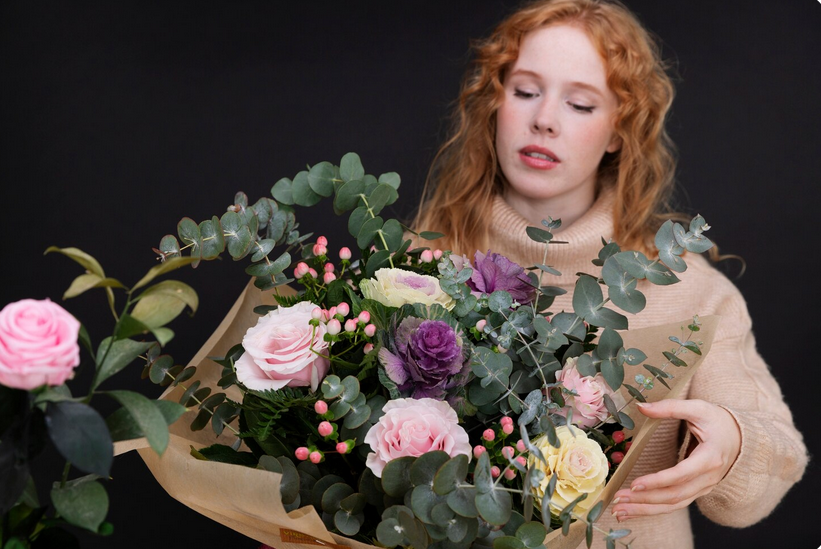
Flowers have always played a central role in expressing style, emotion, and celebration, making bouquets a timeless favorite for many occasions. From romantic gestures to everyday décor, certain blooms consistently stand out for their beauty, symbolism, and versatility in floral arrangements. Christmas celebrations, for example, often influence bouquet choices, bringing seasonal favorites and rich colors into modern floral designs. Beyond holidays, popular flowers are shaped by trends, availability, and the emotions people want to convey through their arrangements. Understanding which flowers are most commonly used today helps reveal why some blooms never lose their appeal and how they continue to define contemporary bouquets.
Roses, Tulips, and Carnations: Timeless Favorites
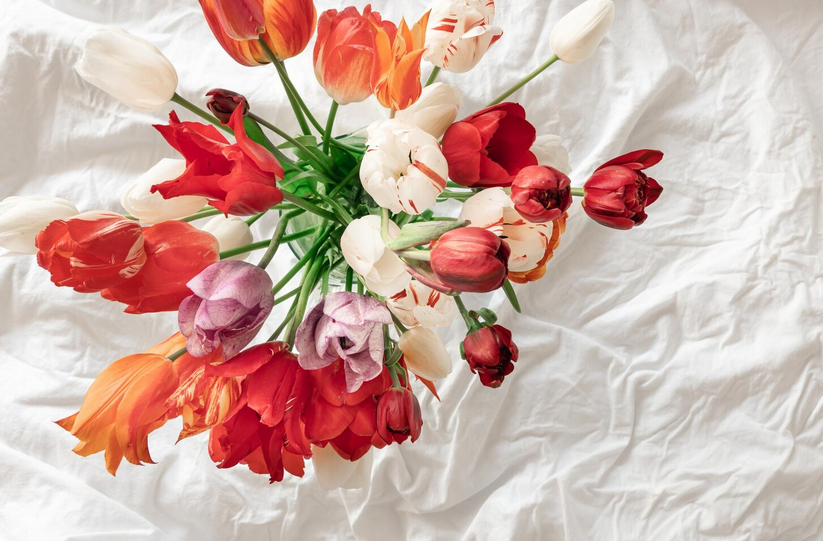
Roses have long been associated with romance and elegance, making them a staple in bouquets of all kinds. Red roses symbolize deep love, while softer hues like peach or blush convey appreciation and warmth. Tulips offer a cheerful alternative with clean lines, especially in spring arrangements, and are often chosen for their simplicity and wide range of vibrant colors. Carnations bring fullness and texture, while also lasting longer than many blooms, making them a practical favorite for mixed bouquets. These classic flowers balance beauty with versatility, which explains why they remain popular year-round.
Peonies, Lilies, and Hydrangeas: Seasonal Stars
Peonies capture attention with large, soft petals and lush forms, making them a go-to for romantic or celebratory bouquets. Their availability is seasonal, which adds to their appeal when they’re in bloom. Lilies contribute striking shapes and often a gentle fragrance, bringing dimension to arrangements without overpowering other flowers. Hydrangeas add volume and a sense of abundance with clustered blossoms that fill space effortlessly. Together, these flowers dominate seasonal designs because they pair well with both bold and subtle accents, giving florists flexibility and richness in texture and color.
Sunflowers, Orchids, and Daisies: Bold and Contemporary Picks
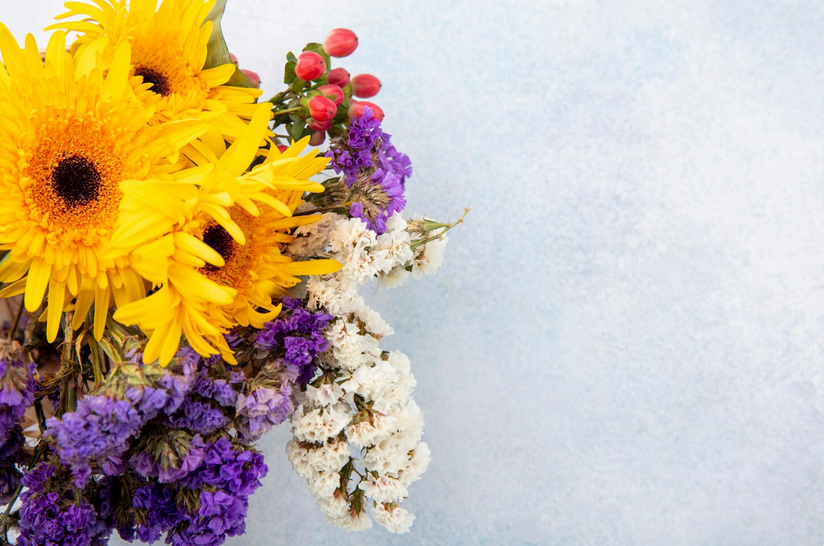
Sunflowers bring bold yellow energy and an uplifting presence, which makes them ideal for happy occasions and casual bouquets. Orchids offer an exotic and refined look, often chosen for more modern or sophisticated arrangements because of their sleek stems and delicate blooms. Daisies, with their simple charm and cheerful faces, are popular in relaxed, joyful designs that emphasize friendliness or celebration. These flowers often appear in mixed bouquets that aim to feel fresh and current, balancing classic blooms with lively, contemporary elements.
Foliage and Fillers That Complement Popular Blooms
While specific flowers draw the eye, foliage and filler blooms help define shape and mood in bouquets. Eucalyptus, dusty miller, and ferns add greenery that frames primary flowers and enhances contrast. Baby’s breath remains a popular filler for airy texture, while small wildflowers can bring a whimsical touch. These supporting elements allow florists to build bouquets that feel cohesive and rich without overwhelming the central blooms. Thoughtful use of foliage adds depth to arrangements and complements the most popular flowers in visually pleasing ways.
The most popular flowers used in bouquets today range from timeless classics like roses and tulips to seasonal favorites like peonies and hydrangeas, with bold choices such as sunflowers and orchids adding personality. Foliage and fillers elevate these arrangements by adding texture and balance. Knowing these favorites helps you choose bouquets that suit both mood and occasion, whether you want something traditional, modern, or delightfully unexpected. These blooms remain beloved because they evoke a range of emotions and aesthetics, ensuring bouquets feel thoughtful and beautiful no matter the occasion.